Review of “The Mummy” by Lee Cronin: A clichéd, soulless and ruthless creature that stands out only through its torrent of flying vomit
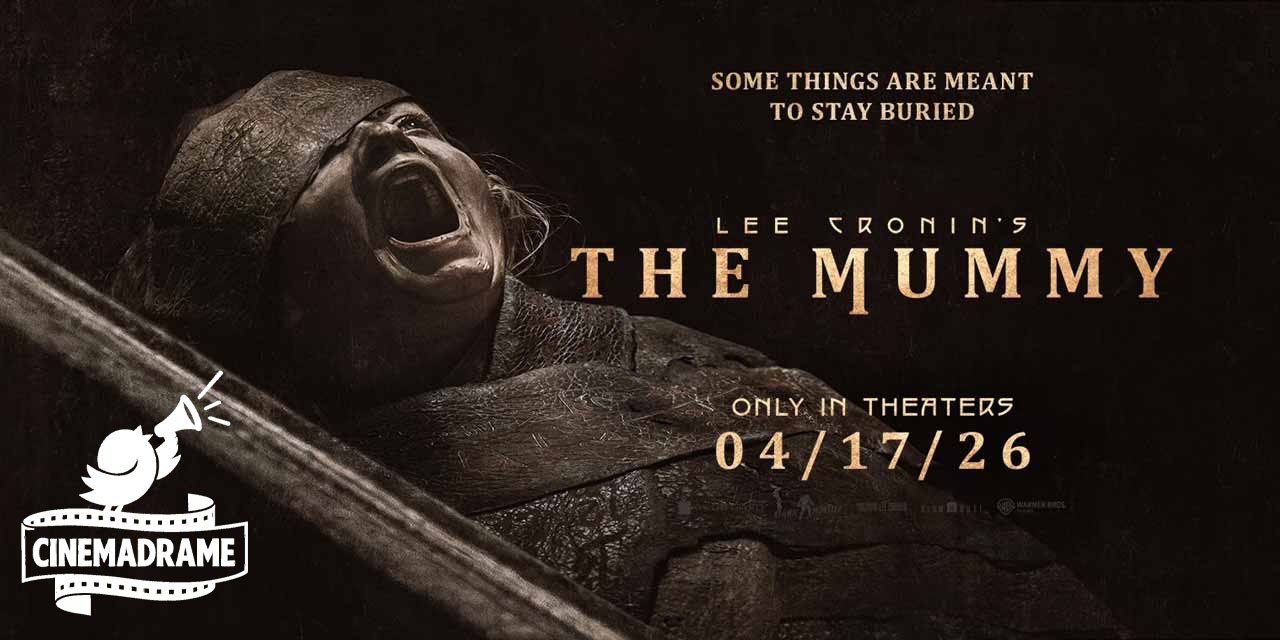
According to the CinemaDrame News Agency, if the director’s name had not appeared in the film’s title, it would have been almost impossible to tell who made this work—and even harder to care.
If “The Mummy by Lee Cronin” had been released without this title, identifying its creator would have been extremely difficult. Perhaps only the amount of blood and wet mud in the film could have offered a clue. The word “messy” might not be precise here (even though the film is lifeless, it tries too hard to simply be messy), but its only recognizable trait is a kind of slimy, formless quality.
The urge to display black vomit, mummy fluid, and other thick, disgusting liquids is the closest thing the director of Evil Dead Rise has to a visual signature. Those eager to watch a possessed child tearing decayed flesh from her own leg might find some entertainment in cinemas this week. However, this exhausting attempt to revive one of cinema’s oldest monsters is largely repetitive in its key elements. The characters are shallow, the scares are clearly borrowed from better films, and the central evil never feels threatening. I have no particular attachment to classic mummies like Imhotep or Ahamant, but this film did at least lead me to one conclusion: a mummy should not be an eight-year-old girl named Katie.
This version of the mummy, in trying to redefine a classic monster through modern trauma-based horror, essentially strips away all the fun and charm of the genre (although in its third act it briefly returns to a Sam Raimi-like energy and becomes somewhat more effective). The story begins with a kidnapped child in Cairo, where a journalist named Charlie Cannon is temporarily living. We see Katie abducted by an evil sorcerer, while her family remains unaware of the truth.
Eight years later, the Cannon family, still grieving, lives in a remote house on the outskirts of Albuquerque—a setting reminiscent of Hereditary. They have kept Katie’s room intact, but in the meantime they are living with another daughter, their son has grown into a teenager, and the grandmother is also residing with them. Beneath the surface of normal life, a heavy sense of grief persists.
Then Charlie receives a call from an Egyptian detective who has remained involved in Katie’s disappearance. He claims she has been found—but inside a 3,000-year-old coffin, in a half-decomposed state, barely alive. Nevertheless, the mother believes she can be “cured.”
But the film makes it clear that this hope is an illusion. “The Mummy by Lee Cronin” is more interested in torturing its characters than truly engaging with their pain and trauma. Even when it attempts emotional depth, it fails to succeed.
Katie, now played by an older actress, feels more like a reference to classic horror tropes than a new character. Her behavior is clichéd and predictable: killing birds, moving through dark spaces in the house, and leaving frightening signs behind. The film never allows horror to develop in a creative way.
In the end, the film takes place in a gray, heavy atmosphere in the American Southwest and focuses on a family’s collapse, but even this idea is poorly executed. Some scenes, such as the funeral or the final moments, try to create a different emotional tone, but the result is uneven and weak.
Ultimately, the film is neither a successful reimagining of The Mummy nor an effective horror work. It feels more like a collection of borrowed ideas stitched together without a clear identity.